
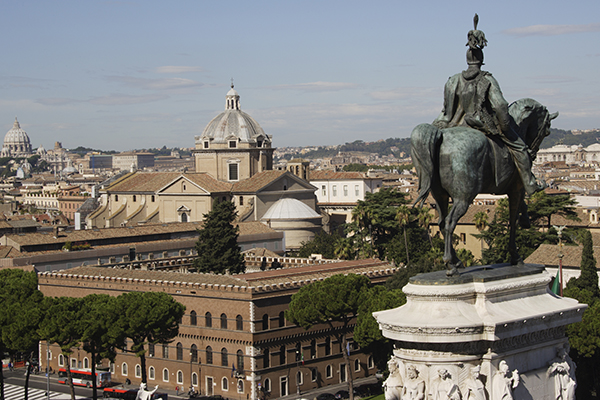
Rome seems like a city where every minute costs money. Many tourists return with the impression that the Italian capital is expensive and that seeing everything important requires serious spending. In reality, this is not the case. If you take the time to understand how the city works, how locals choose their food and where they prefer to go for a walk, Rome becomes surprisingly affordable. Here, you can truly enjoy the history and atmosphere without having to count every euro every day.
Why is Rome often considered expensive?
The image of ‘expensive Rome’ is formed by the prices of accommodation and cafés in the city centre. Costs also tend to rise along tourist routes: restaurants cater to visitors, souvenirs are sold at inflated prices, and visits to major museums can seem like a significant expense.
Rome is a lively city. Outside the city centre, a little further away from the popular spots, life flows at its own pace, prices drop to levels that are affordable for most travellers, and you get the chance to see the real urban environment. Just walk a couple of streets away and the aroma of coffee becomes richer, and the costs more modest.
How to get there and get around the city
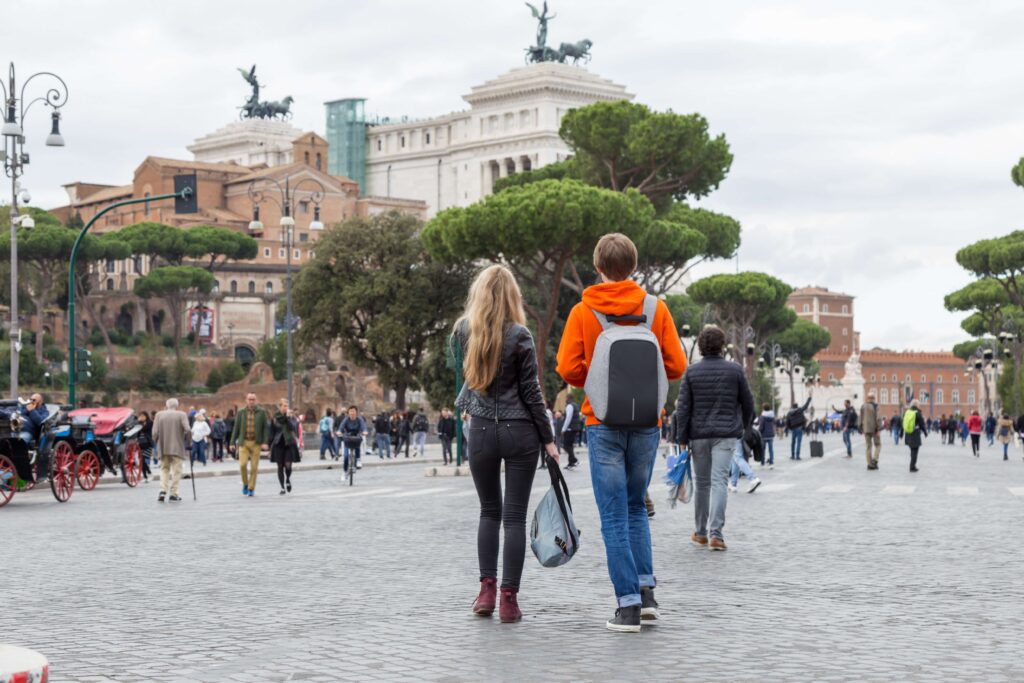
If you arrive at Fiumicino Airport, tourists often choose the express train to Termini Station. It is fast, but significantly more expensive. Regional trains take only 15-20 minutes longer, but cost about half as much. Buses from the airport also run regularly, especially in the morning and afternoon.
Getting around the city itself is easy. The metro consists of several lines, but the bus network is quite extensive because many key areas are located close to each other. The walk from the Pantheon to the Trevi Fountain takes less than a quarter of an hour. It is often easier to just walk – it saves money and gives you a deeper impression.
Approximate transport costs:
- A single bus or metro ticket costs around €1.60–1.80.
- A day pass costs around €7–8.
- Three-day ticket – around €18–20
- Fiumicino – centre train (regional) – around €8–9
- Express train – approximately €14–16
If you plan to walk a lot, single tickets ‘as needed’ will suffice.
Budget Attractions
The history of Rome is evident even without visiting museums. Here, the space itself tells stories. Just turn into random alleys and look closely at the walls, pavements, and fountains, and you will immediately feel the history of ancient Rome.
On Sundays, admission to state museums is sometimes free. Dates may vary, so it is best to check before travelling. Romans themselves often take advantage of this opportunity.
Among the places you can see at virtually no cost are:
- The Pantheon – one of the most recognisable buildings of ancient Rome. Admission may be charged during certain seasons, but the fee is affordable.
- Piazza Navona – a large open ensemble where you can sit and watch the city life.
- The Trevi Fountain is always free to visit, although it is almost always crowded. If you come early in the morning, you can see it in its true glory.
- The Trastevere and Gianicolo districts are excellent places for leisurely strolls, where you can easily feel the atmosphere of the old city.
The viewing platforms on the hills, especially on the Aventine or near Piazza Garibaldi, offer panoramic views that would cost money in other cities. All of the places listed are accessible at any time, and many of them are best enjoyed at a leisurely, measured pace.
Approximate prices for museums:
- Colosseum + Roman Forum — from €16 to €20 for the complex, depending on the season.
- Borghese Gallery — approximately €13–16, reservations are required.
- Vatican Museums — €18 to €21, free admission on certain days, but there are long queues.
If you choose 1–2 museums per trip and supplement them with long walks, the costs remain moderate, and the impressions are even deeper.
Where to eat cheaply and what to try
Roman cuisine is simple but expressive. Most of the flavour comes from fresh ingredients and the skill with which they are combined. To avoid overpaying, steer clear of establishments with menus in seven languages and waiters actively calling out to guests from the street. Where the locals eat, no one will ‘invite’ you to the table because people already know that the food is good here.
Prices for snacks:
- suppli – hot rice balls with a stretchy filling (€1.50–2.20);
- pizza al taglio, sold by weight (€2.50–4.00 per slice, depending on the toppings);
panini with cured meat or local cheeses.
- Coffee at the bar – €1.20 to €1.50
- Pasta in a trattoria – €8–12
- House wine (glass) – €3–5
Tables outside are almost always more expensive. If you want to save money, drink your coffee standing up.
Accommodation and approximate prices
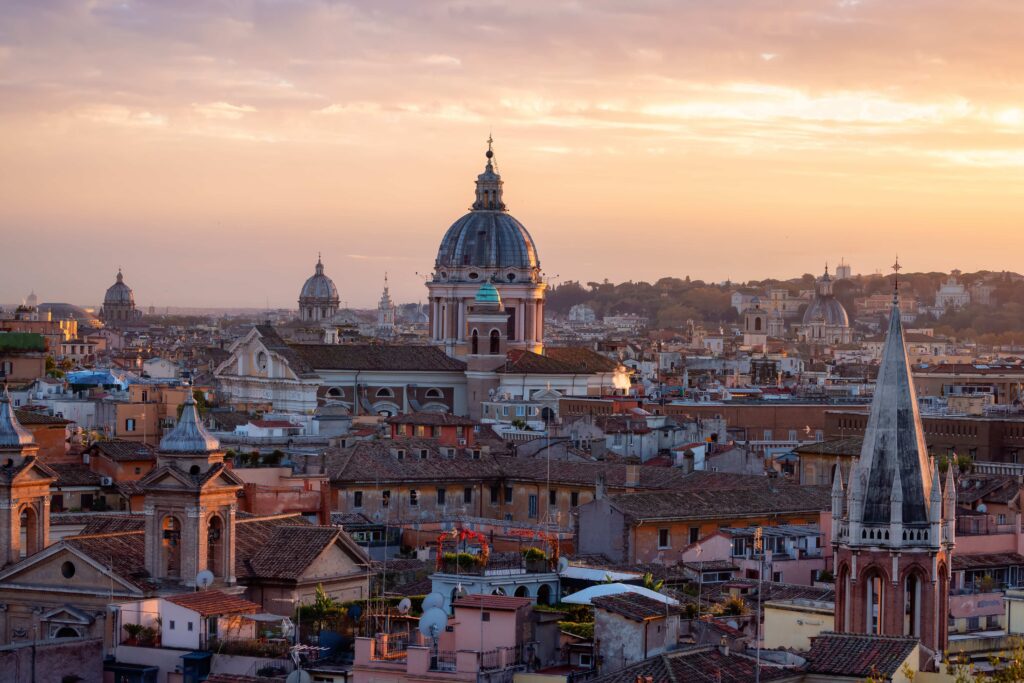
Accommodation prices in Rome depend on location. Areas near train stations can be noisy, but sometimes they offer the most affordable options. Trastevere attracts visitors with its atmosphere, but prices there rise during the high season. Areas closer to San Giovanni or Ostiense station are often quieter and more convenient for getting around.
Hostels in Rome often have a friendly communal kitchen where it is easy to meet other travellers. If peace and quiet is important to you, it is better to choose a small guest house with rooms that are not overly ‘fancy’ but are in a good location.
Hostel prices can range from €22 to €35 per night in a shared room. If you choose a small guest house, be prepared to pay between €55 and €75 for a double room. Apartments cost between €70 and €110 per night, depending on the area and season. If you book outside the peak tourist season, you will have a wider and more affordable choice.
How to avoid unnecessary expenses?
Some expenses arise simply because decisions are made spontaneously. To avoid this, you need to check the opening hours of museums in advance and buy tickets online. Don’t rush to buy souvenirs at the first shop you see. The market is diverse, and you can find cheaper and more interesting items.
The main thing is not to try to ‘do everything.’ It is better to give yourself time to feel the city, not just see it. Then even small expenses will bring impressions that will prove to be more significant than any purchases.