
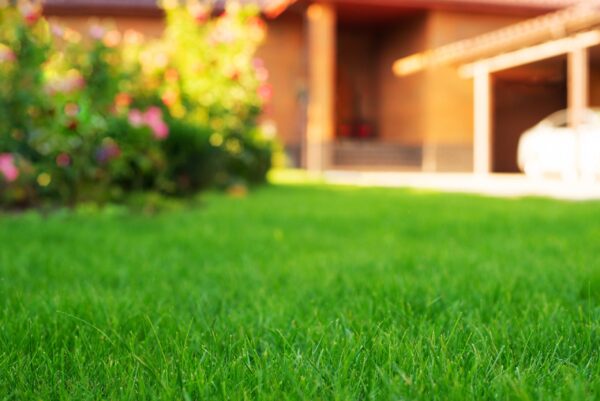
A lawn needs to be cared for regularly during the growing season to stay in good condition. Mowing is one of the most common aspects of lawn care. In warm times there may be enough rain to let the grass grow fast. If it is not cut for too long, the lawn can begin to look uneven and be harder to maintain. Regular mowing keeps grass looking neat and in better condition.
Why Regular Lawn Mowing Matters
Grass plants have a special reaction when they are cut. If the growing tips are removed, the plants often produce additional shoots. This process promotes thicker growth and results in a denser lawn surface.
A lawn that is regularly maintained will usually look more uniform than a lawn that is not maintained. Regular mowing also helps to spread sunlight and moisture more evenly across the entire grass area.
How Grass Responds to Mowing
After mowing, the grass plants are set to produce new growth. Many varieties spread out and produce extra blades instead of growing tall and sparse. This results in a thicker surface that can better withstand foot traffic and environmental stress.
A thick lawn also cuts down on the available space for weeds to grow. Healthy grass will spread and, in doing so will naturally compete for sunlight, water and nutrients.
Top 7 Benefits of Lawn Mowing
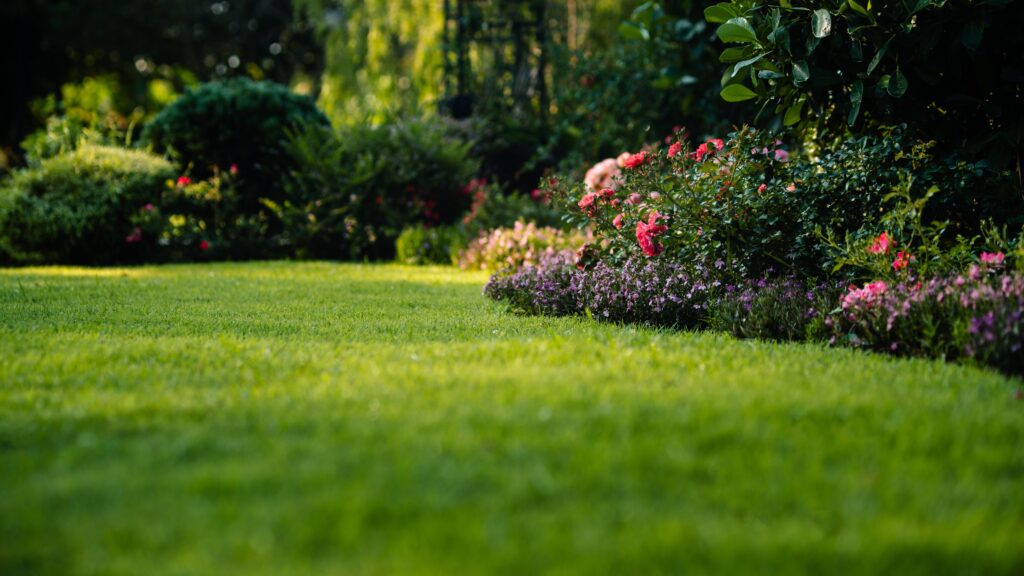
Regular mowing provides several important benefits for residential and public landscapes.
- Creates a neat and attractive appearance.
- Encourages uniform growth across the lawn.
- Helps reduce weed development.
- Supports pest management.
- Prevents excessive debris accumulation.
- Contributes to natural soil fertilization.
- Strengthens the healthiest grass plants.
Lawn Mowing and Weed Control
Many weeds compete with the grass for water, nutrients, and sunlight. Regular mowing helps limit the spread of some weed species by preventing seed production and aggressive growth.
Healthy grass usually recovers from mowing more quickly than many common weeds. When mowing is performed correctly and no more than one–third of the grass height is removed at a time, the lawn can continue growing strongly while many weeds struggle to keep pace.
A dense grass surface also creates shade near the soil, making it more difficult for weed seeds to germinate and establish themselves.
Improved Lawn Health and Pest Reduction
Regular mowing helps to create a healthier lawn environment. Tall unmanaged grass can provide cover and additional moisture that creates good conditions for insects and other pests.
The grass should be kept at an appropriate height to improve air circulation and allow sunlight to reach the lower parts of the lawn.
Another advantage is ease of maintenance. By mowing regularly, you make it easier to keep fallen leaves, small branches and other organic material under control. It’s much easier to do lawn care on an ongoing basis than to let the debris build up for long periods of time.
Natural Fertilization Through Grass Clippings
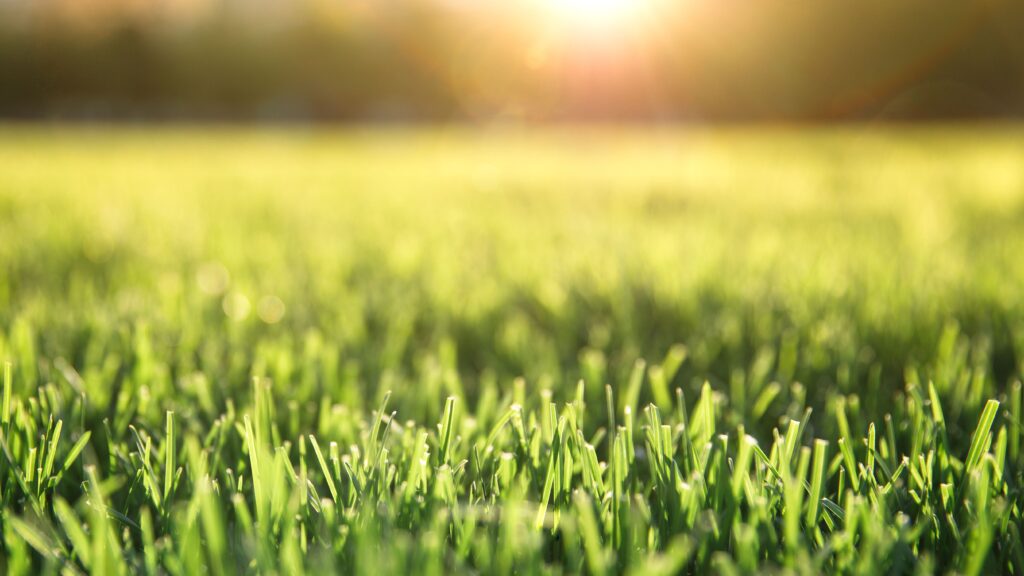
Modern mowing practices often encourage leaving small grass clippings on the lawn. Mulching mowers cut these clippings into tiny pieces that return directly to the soil surface.
As the material decomposes, nutrients are gradually released back into the ground.
The decomposing clippings can provide several benefits
- Return nutrients to the soil.
- Improve organic matter levels.
- Reduce the need for additional fertilizer.
- Help maintain soil moisture
When managed properly grass clippings become a useful resource rather than waste.