
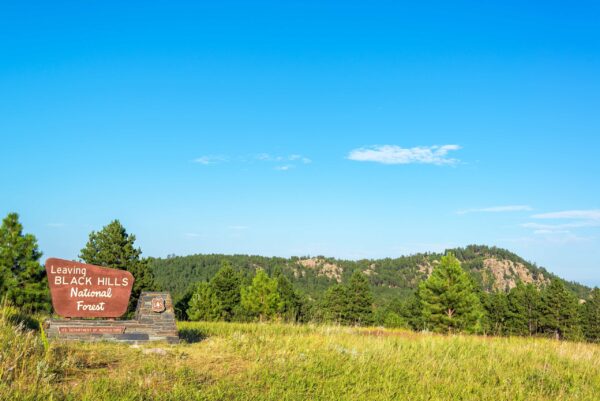
Located in the southern part of the Black Hills, 10 Reasons You Should Visit Hot Springs, SD can be found in the town’s unique combination of history, nature, and local culture. Hot Springs is known for its sandstone architecture, natural springs, wildlife attractions, and convenient access to several famous destinations in South Dakota. The town offers a different atmosphere from many modern tourist centers and preserves much of its historical character.
Historic Downtown and Local Character
One of the most recognizable features of Hot Springs is its historic downtown area. Many buildings were constructed from local sandstone and remain an important part of the town’s appearance today. The Fall River runs through the center, creating a pleasant setting for visitors.
The Freedom Trail follows parts of the river and allows visitors to explore local streets, shops, and restaurants. Unlike many tourist destinations, the town contains relatively few large commercial chains. Small local businesses continue to play an important role in daily life and contribute to the town’s distinctive atmosphere.
Visitors often notice the slower pace of life and the preservation of historical architecture that reflects the development of the region during the late nineteenth and early twentieth centuries.
Natural and Educational Attractions
Hot Springs is surrounded by attractions that combine natural history, geology, and wildlife. Several important destinations can be reached within a short drive from the town center.
Some of the most visited places:
- The Mammoth Site
- The Black Hills Wild Horse Sanctuary
- Evans Plunge
- Wind Cave National Park
- Angostura Reservoir
The Mammoth Site and Scientific Importance
The Mammoth Site is one of the most important paleontological sites in North America. Scientists have found a large deposit of mammoth remains trapped in an ancient sinkhole. Even today the excavation is still ongoing and researchers often examine fossils that are found in the area.
The combination of active research and public education makes the site an important destination for people interested in natural history.
Outdoor Recreation Around Hot Springs
The landscape surrounding Hot Springs offers many outdoor activities. Rolling hills, grasslands, forests, lakes, and rivers create varied environments for recreation.
Popular outdoor activities:
- Hiking and nature walks
- Wildlife observation
- Swimming and water recreation
- Camping
- Golfing
- Scenic driving
Evans Plunge remains one of the town’s most famous recreational facilities. The pool is supplied by natural spring water that maintains a relatively stable temperature throughout the year.
Angostura Reservoir provides boating, fishing, swimming and camping. The large body of water draws visitors in the warmer months and provides various outdoor activities.
Golfers love to go to Southern Hills Golf Course. The course is noted for its beautiful views and its location in the rolling terrain of the southern Black Hills.
Nearby National Parks and Monuments
Another reason many travelers choose Hot Springs is its position near several major attractions in western South Dakota.
Wind Cave National Park is located only a short distance north of town. The cave system is one of the longest and most complex in the world. Above ground, visitors may encounter bison, elk, prairie dogs, and other wildlife that inhabit the park’s grasslands.
Badlands National Park can also be visited as a day trip. Its unusual rock formations, canyons and colorful geological layers make it one of the most recognizable landscapes in the United States.
Mount Rushmore National Memorial is another famous destination accessible from Hot Springs. The monument attracts visitors interested in American history and monumental sculpture.
Wildlife and Scenic Routes
Wildlife observation is an important part of tourism in the region. The Black Hills Wild Horse Sanctuary protects hundreds of horses across a large natural area. Guided tours provide information about wild horse populations and conservation efforts.
Custer State Park is another major wildlife destination. Large herds of bison move freely through the park, and visitors often see deer, pronghorn, burros, and other animals along scenic roads.
Travelers frequently combine visits to these attractions with drives through the Black Hills. Highway routes in the area pass through forests, granite formations, and mountain landscapes. Curving roads and narrow tunnels provide views of some of the region’s most dramatic scenery.